AMD Pushes Radeon RX 9060 XT to 4.837 GHz for GPU Frequency Record
AMD's Jack Huynh and overclocker Bill Alverson used liquid nitrogen to push a Radeon RX 9060 XT to 4.837 GHz at a new Micro Center in Austin, beating the old record by 48 MHz.
AI-assisted, human-reviewed. How we work
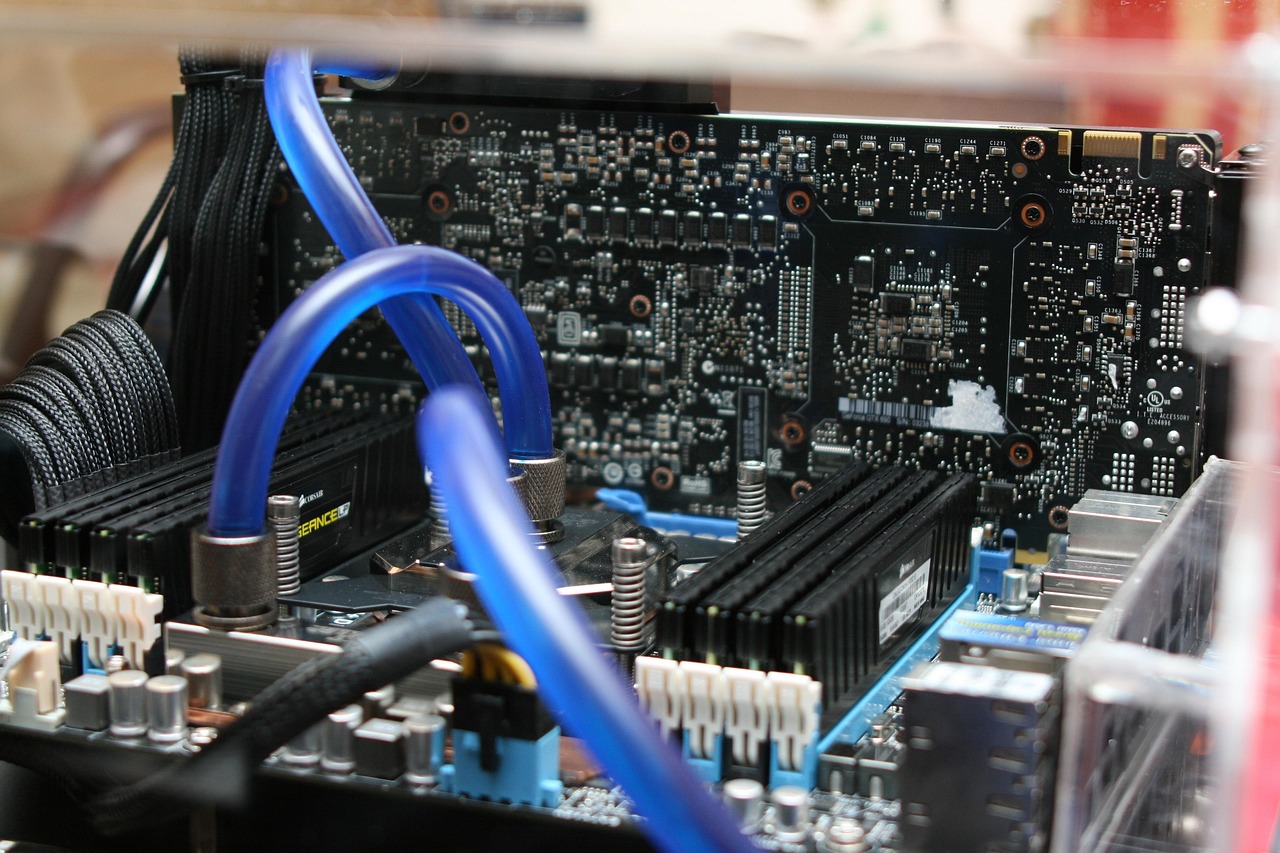
AMD's Jack Huynh and overclocker Bill Alverson pushed a Radeon RX 9060 XT to 4,837 MHz, a new GPU frequency world record. The run happened on November 15 at the new Micro Center store in Austin, Texas, two days after its grand opening.
The result beats the previous record of 4,789 MHz by 48 MHz. Alverson set that mark in June with South Korean overclocker SoonHo on the same card model.
How they got there
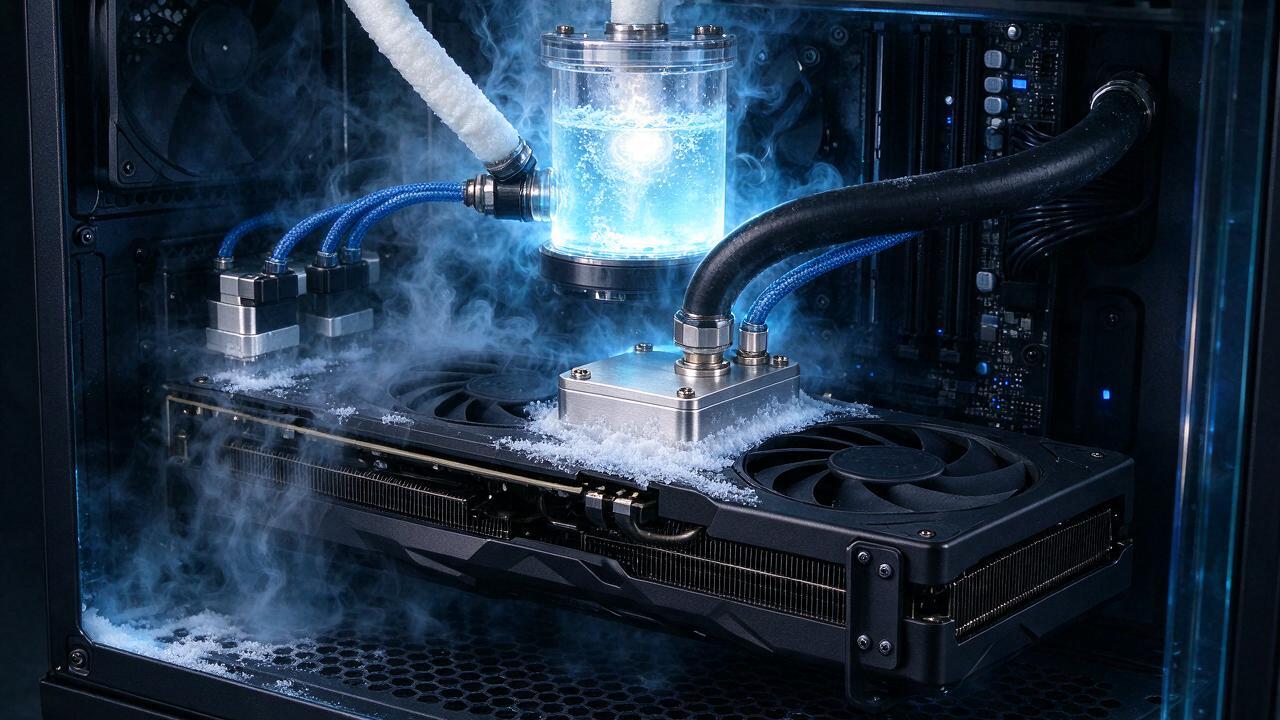
The team cooled the card with liquid nitrogen. They replaced the stock cooler with a pot mounted directly on the GPU die and kept it filled during the run.
A GPU-Z screenshot published with the record shows the core at 1.434 V, a board power draw of 62 W, and both the GPU and hotspot sensors reading -49°C. Notebookcheck notes the June capture shows the same temperature, which suggests a sensor floor rather than the true die temperature.
What the numbers mean
AMD lists the RX 9060 XT's boost clock at up to 3,130 MHz. The 4,837 MHz reading sits about 54.5% above that official figure.
Tom's Hardware points out that nobody should expect these clocks from a stock, air-cooled card. Liquid nitrogen runs are short and need custom hardware and constant monitoring. They show the limit of the chip, not everyday speed.
The record is not verified yet
SkatterBencher's OC World Record Museum lists the result as unverified, as it does every RX 9060 XT entry so far. There is no HWBOT submission.
HWBOT takes the maximum clock from GPU-Z's sensor tab, but its rules also require a running render in the screenshot. The published capture shows 0% GPU load, so it is a peak clock reading, not a benchmark result.
Huynh shared the run on X on November 24, nine days after it happened. He said the team filmed the whole attempt, including the moment the record fell. The new mark sits 163 MHz short of 5 GHz.
Key facts
| Record clock | 4,837 MHz |
|---|---|
| Previous record | 4,789 MHz |
| Gain over previous | 48 MHz |
| Run date | November 15, 2026 |
| Announced | November 24, 2026 on X |
| Stock boost clock | Up to 3,130 MHz |
| Cooling | Liquid nitrogen |
| Status | Listed as unverified |
Sources
- WccftechSecondary · Wccftech
- TechPowerUpSecondary · TechPowerUp
- Tom's HardwareSecondary · Tom's Hardware
- NotebookcheckSecondary · Notebookcheck
- VideoCardz (Bluesky)Secondary · VideoCardz (Bluesky)
- tomshardware.comSecondary · tomshardware.com